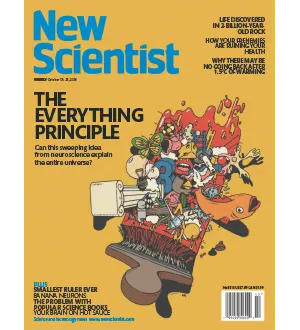
π¬New Scientist: The World's Most Popular Science Magazine
New Scientist is the world's leading international science and technology magazine, delivering authoritative coverage of cutting-edge research, breakthrough discoveries, and the latest developments across all scientific disciplines. Since 1956, this iconic weekly publication has made complex science accessible to millions of curious minds, bridging the gap between peer-reviewed research and public understanding.
π With over 5 million readers globally and a reputation for rigorous, independent science journalism, New Scientist covers everything from quantum physics and artificial intelligence to climate science and neuroscience. The magazine transforms breakthrough research into compelling stories that matter to everyone.
1956 Founded
5M+ Global Readers
Weekly Publication
60+ Countries Reach
π§¬
Life Sciences
Biology, genetics, medicine
π
Space & Physics
Cosmos, quantum, astronomy
π€
Technology & AI
Innovation, computing, robotics
π
Environment
Climate, ecology, sustainability
π¬ Why New Scientist Matters: This magazine sits at the intersection of academic research and public interest, explaining why the latest scientific discoveries matter to our lives, society, and future. From CRISPR gene editing to quantum computing, New Scientist helps readers understand the science shaping tomorrow.
π Coverage Areas
- Physical Sciences: Physics, chemistry, astronomy, cosmology, quantum mechanics
- Life Sciences: Biology, genetics, evolution, neuroscience, medicine
- Earth Sciences: Climate change, geology, oceanography, environmental science
- Technology: AI, robotics, computing, engineering, materials science
- Health & Medicine: Medical breakthroughs, public health, psychology, nutrition
- Social Sciences: Archaeology, anthropology, linguistics, economics
πAbout New Scientist
ποΈHeritage & Mission
Founded in London in 1956, New Scientist emerged during the space race and nuclear age when public interest in science was surging. The magazine was created to make science accessible beyond the academic communityβexplaining discoveries in clear language without sacrificing accuracy. For nearly 70 years, it has maintained editorial independence and scientific rigor while chronicling humanity's expanding understanding of the universe.
π Historic Milestones
- 1956: Launch as weekly science magazine during Cold War space race
- 1960s-70s: Covered moon landings, DNA revolution, environmental movement
- 1980s-90s: Internet revolution, human genome project, climate science emergence
- 2000s: Stem cells, nanotechnology, social media's scientific impact
- 2010s-Present: AI explosion, CRISPR, gravitational waves, COVID-19 pandemic
π―Editorial Standards
New Scientist maintains strict editorial independence from commercial, political, and scientific institutions. All articles are fact-checked against peer-reviewed research, expert sources, and scientific consensus. The magazine covers controversial topics objectively, presents evidence-based perspectives, and distinguishes between established science and speculative hypotheses. This commitment to accuracy has earned trust from both scientists and the public.
π Published By: New Scientist Ltd, headquartered in London with offices in Boston and Australia. The magazine employs science journalists with advanced degrees alongside professional writers, ensuring both scientific accuracy and engaging storytelling.
πAwards & Recognition
New Scientist has won numerous awards for science journalism, including recognition from the Association of British Science Writers, the World Magazine Awards, and various digital media honors. The magazine is frequently cited in academic papers, government reports, and by other media outlets as a trusted source for science communication.
π What Makes New Scientist Unique
- Weekly Frequency: Fastest comprehensive science coverage globally
- Global Perspective: International network of correspondents and contributors
- Accessible Language: Complex science explained clearly without oversimplification
- Broad Coverage: All scientific disciplines in one publication
- Critical Analysis: Questions weak studies, examines controversies
- Future Focus: Explores implications and emerging trends
- Visual Excellence: Striking photography, infographics, and illustrations
π¬ New Scientist is read by Nobel laureates, leading researchers, university students, science teachers, policymakers, and curious minds worldwide. It serves as the conversation bridge between professional scientists and educated general audiences.
πAdditional Publications
Beyond the weekly magazine, New Scientist publishes special collector's editions on major topics like "The Human Brain," "Mysteries of the Universe," and "The Future of AI." The brand includes a popular website, daily newsletter, podcast series, live events, and New Scientist: The Collectionβquarterly deep dives into specific scientific subjects.
π‘ Did You Know? New Scientist coined or popularized terms like "black hole," "genetic fingerprinting," and "nanotechnology" through its coverage. The magazine has broken major science stories and has been first to report discoveries that later won Nobel Prizes.
βοΈRegular Features & Sections
π°News & Analysis
ποΈ Breaking Science
- Upfront: Week's most important science news and developments
- This Week: In-depth coverage of major discoveries and breakthroughs
- News Analysis: Context and implications of recent findings
- Science in Society: How research affects policy, ethics, and daily life
- Technology: Latest innovations in engineering, computing, and applied science
- Health: Medical breakthroughs, public health, wellness research
πFeatures & In-Depth
π Long-Form Science
- Cover Stories: Comprehensive exploration of cutting-edge topics
- Features: Deep dives into major scientific questions and controversies
- Interviews: Conversations with leading scientists and thinkers
- Opinion: Expert perspectives on science policy and ethics
- Comment: Editorial positions on critical science issues
- Analysis: Interpretation of complex research and trends
π¬Core Scientific Disciplines
βοΈ
Physics
Quantum, particles, energy
π§ͺ
Chemistry
Materials, reactions, molecules
π§¬
Biology
Genetics, evolution, ecology
π§
Neuroscience
Brain, consciousness, cognition
π
Astronomy
Cosmos, exoplanets, dark matter
π‘οΈ
Climate
Warming, ecosystems, solutions
π»Technology & Innovation
π€ Tech Coverage
- Artificial Intelligence: Machine learning, neural networks, AI ethics
- Quantum Computing: Quantum bits, algorithms, practical applications
- Robotics: Autonomous systems, human-robot interaction, AI robotics
- Biotechnology: CRISPR, synthetic biology, genetic engineering
- Space Technology: Rockets, satellites, Mars missions, space tourism
- Energy: Renewables, fusion, batteries, sustainable solutions
π₯Health & Medicine
π Medical Science
- Drug Development: New treatments, clinical trials, pharmaceutical innovations
- Infectious Disease: Viruses, bacteria, pandemics, vaccines
- Mental Health: Depression, anxiety, therapies, brain disorders
- Cancer Research: Treatment advances, prevention, immunotherapy
- Aging Science: Longevity, healthspan, cellular mechanisms
- Nutrition: Diet research, gut microbiome, metabolic health
πRegular Columns
βοΈ Columnist Features
- Feedback: Humorous look at science in the news and reader observations
- Letters: Reader correspondence on articles and scientific topics
- The Last Word: Reader questions answered by experts and community
- Culture Lab: Reviews of science books, films, exhibitions
- Aperture: Stunning science photography explained
- Crossword: Science-themed puzzles for entertainment
π―Special Issues
π Annual Features: New Scientist publishes special issues on major themes:
- Preview of the year ahead in science and technology
- Review of the past year's biggest discoveries
- Climate change special reports
- AI and technology futures
- Space exploration milestones
- Health and medicine breakthroughs
πFeatured Topics 2025
π€Artificial Intelligence Revolution
π§ AI Frontiers
Comprehensive coverage of generative AI, large language models, artificial general intelligence (AGI) prospects, AI safety concerns, and the technology's impact on work, creativity, and society. Regular updates on breakthroughs from OpenAI, DeepMind, and emerging AI labs.
πClimate & Environment
π‘οΈ Climate Solutions
Evidence-based reporting on climate change, renewable energy advances, carbon capture technologies, biodiversity loss, ocean acidification, and policy responses. Features geoengineering debates, climate justice issues, and practical solutions for a warming planet.
πΏ Biodiversity Crisis
Coverage of extinction rates, habitat destruction, conservation efforts, rewilding projects, and the importance of ecosystem services. Explores innovative approaches to protecting endangered species and restoring degraded ecosystems.
π§¬Genomics & Biotechnology
βοΈ CRISPR & Gene Editing
Latest developments in gene editing technology, therapeutic applications, agricultural innovations, and ethical debates. Coverage includes CRISPR advances, base editing, prime editing, and germline modification controversies.
π§« Synthetic Biology
Exploration of engineered organisms, artificial cells, lab-grown meat, biofuels, and the potential to redesign life itself. Features biotech startups, DIY biology, and biosafety considerations.
πSpace Exploration
π΄ Mars & Beyond
Coverage of Mars missions, lunar exploration, asteroid mining prospects, and the search for extraterrestrial life. Includes updates on NASA, SpaceX, ESA, and international space programs. Features James Webb Space Telescope discoveries.
π Cosmology Mysteries
Deep dives into dark matter, dark energy, the Big Bang, multiverse theories, and gravitational waves. Explores how new observations challenge or confirm our understanding of the universe's origin and fate.
βοΈQuantum Technologies
π» Quantum Computing
Progress toward practical quantum computers, quantum supremacy achievements, error correction breakthroughs, and potential applications in cryptography, drug discovery, and optimization problems.
π§ Consciousness & Neuroscience
π€ Understanding Consciousness
Latest theories on how the brain generates conscious experience, studies of altered states, brain-computer interfaces, and philosophical implications. Covers neuroscience of memory, decision-making, and free will.
π¬ Every topic in New Scientist is covered with scientific rigor, balanced perspectives, and clear explanations. The magazine helps readers understand not just what's happening in science, but why it matters and what comes next.
π₯How to Access New Scientist
πOfficial Subscription Options
ποΈ Official Website
Subscribe at New Scientist official websiteβ for digital access, print subscriptions, or combined packages. Access breaking science news, in-depth articles, podcasts, and exclusive subscriber content.
π± Mobile Applications
Download the New Scientist app for iOS and Android. Read digital issues, bookmark articles, receive push notifications for major discoveries, and enjoy offline reading during commutes.
π§ Email Newsletters
Free and subscriber newsletters include daily science updates, weekly magazine highlights, specialist topic digests (AI, space, health), and breaking news alerts delivered to your inbox.
π°Subscription Packages
π³ Available Options
- Print Subscription: 51 weekly issues delivered annually (Β£140-180/year or $180-220)
- Digital Subscription: Unlimited website and app access (Β£100-130/year or $120-150)
- Print + Digital: Complete package for best value (Β£160-200/year or $200-240)
- Student Discount: Significant savings with valid student ID
- Gift Subscriptions: Perfect for science enthusiasts and curious minds
- Multi-Year Deals: Extended subscriptions at discounted rates
πRetail & International
π Purchase Worldwide: Find New Scientist at:
- UK: WH Smith, Tesco, Sainsbury's, Waitrose, independent newsagents
- US: Barnes & Noble, airport newsstands, specialty bookstores
- Australia: Major newsagents and bookstores nationwide
- Online: Amazon (print and Kindle editions globally)
- Digital Platforms: Apple News+, PocketMags, Zinio, Magzter
πLibrary & Academic Access
ποΈ Institutional Access
- University Libraries: Most academic institutions provide free access for students and faculty
- Public Libraries: Many libraries stock print issues or offer digital access
- Research Databases: Available through EBSCOhost, ProQuest, and other academic platforms
- School Programs: Educational subscriptions for science classrooms
- Corporate Licenses: Multi-user access for businesses and organizations
π‘ Student & Academic Tip: Check if your university provides free access through the library. Many institutions offer New Scientist as part of their electronic resources, saving you hundreds on subscriptions!
π₯PDF & Digital Archives
β οΈ Support Science Journalism: While free archives exist, subscribing to New Scientist supports independent science journalism, rigorous fact-checking, and the expert writers who make complex research accessible. Your subscription funds quality science communication.
π°Magazine Aggregator Services
πSpecial Editions & Books
π New Scientist Collections
Quarterly special editions compile articles on specific topics like "The Quantum World," "Inside Your Brain," or "The Future of Space." These collector's editions are available at bookstores and online.
π New Scientist Books
The magazine publishes science books including "This Book Will Blow Your Mind," "The Universe Next Door," and comprehensive guides to major scientific topics written by expert contributors.
π Perfect Gift For: New Scientist subscriptions make exceptional gifts for:
- Science students at all levels (high school through PhD)
- Science teachers and educators
- Engineers, researchers, and technology professionals
- Medical professionals and healthcare workers
- Curious minds who love learning about the world
- Anyone interested in understanding future technologies
πReader's Guide & Tips
πHow to Read New Scientist
β‘ Reading Strategies
- Start with Upfront: Get week's science news digest in 10 minutes
- Read Cover Stories: Major features provide deep understanding of key topics
- Follow Your Interests: Jump to sections relevant to your field or curiosity
- Don't Skip Graphics: Infographics and diagrams often explain concepts clearly
- Check References: Follow cited papers for deeper research
- Read Feedback & Letters: Entertaining and insightful reader perspectives
- Bookmark for Later: Save complex articles to revisit when you have time
- Discuss & Share: Science is better when discussed with others
π‘ Pro Reading Tip: Many readers keep 6-12 months of back issues for reference. New Scientist articles remain relevant longer than news magazines because they explain fundamental science, not just current events.
π―Who Should Read New Scientist?
π
Students
STEM education supplement
π¨βπ¬
Researchers
Cross-disciplinary insights
π¨βπ«
Educators
Teaching resources
πΌ
Professionals
Tech & innovation trends
π€
Curious Minds
Lifelong learning
π
Writers
Science communication
π‘Maximizing Your Subscription
π Subscriber Benefits
- Weekly Delivery: 51 issues per year of cutting-edge science
- Unlimited Digital Access: Complete online archive and mobile apps
- Exclusive Content: Subscriber-only articles and analysis
- Podcasts: Science in Action, Dead Planets Society, and more
- Events: Priority access to New Scientist Live and virtual events
- Newsletter Access: Specialized topic digests and breaking news
- Archive Search: Decades of articles searchable by topic
- Ad-Free Reading: Clean digital experience (premium tier)
πFor Students & Educators
π Educational Use
- Supplement Textbooks: Current research beyond dated course materials
- Essay Research: Authoritative source for science papers
- Classroom Discussions: Articles spark debates on scientific ethics and implications
- Career Inspiration: Exposure to diverse scientific fields and opportunities
- Critical Thinking: Evaluate evidence, assess claims, understand scientific method
- Science Literacy: Understand how to interpret scientific news and studies
π¨βπ« For Teachers: New Scientist offers educational resources including:
- Lesson plan ideas based on current research
- Infographics and images for classroom presentations
- Discussion questions for student engagement
- Real-world applications of curriculum concepts
- Career profiles showcasing scientific paths
ποΈAdditional Resources
π§ New Scientist Podcasts
Listen to weekly science podcasts including the flagship New Scientist Weekly, Dead Planets Society (space exploration), and Science with Sam Wimpenny. Available on all major podcast platforms.
π Website & Online Community
Visit NewScientist.comβ for daily science news, video content, interactive features, and community discussions about latest discoveries.
πͺ New Scientist Live
Attend the annual New Scientist Liveβ festivalβthe world's largest science festival featuring talks, demonstrations, and exhibits from leading scientists and institutions.
π± Social Media
Follow New Scientist on Twitter, Facebook, Instagram, and YouTube for daily science updates, stunning imagery, quick explainers, and breaking research news.
π¬Understanding Scientific Research
π Reading Science Critically
- Check Sample Sizes: Small studies need replication
- Correlation β Causation: Associated findings don't prove cause
- Peer Review Matters: Published studies have been scrutinized by experts
- Replication Is Key: Single studies can be flukes; consensus builds over time
- Funding Sources: Consider who paid for research and potential biases
- Confidence Levels: Understand statistical significance and uncertainty
- Expert Commentary: New Scientist adds context from independent scientists
πComplementary Reading
π° Related Science Publications
π¬ Final Thoughts: New Scientist stands as the world's premier bridge between cutting-edge research and public understanding. Whether you're a professional scientist staying current across disciplines, a student supplementing coursework with real-world applications, or a curious mind fascinated by how the universe works, New Scientist delivers authoritative, accessible science journalism week after week. In an era of misinformation and anti-science sentiment, this magazine champions evidence-based thinking and helps readers distinguish between rigorous research and pseudoscience.
π
Stay Updated: Science advances rapidly, making New Scientist's weekly frequency invaluable. You'll always know about:
- Breakthrough discoveries as they happen
- Emerging technologies before mainstream media coverage
- Scientific controversies and debates explained objectively
- Climate and health crises with evidence-based analysis
- Space missions, astronomical discoveries, and cosmic mysteries
- Medical advances that could affect your health decisions
π Gift Package Ideas: Combine New Scientist subscription with science-themed gifts:
- Popular science books from New Scientist collection
- Science museum membership or tickets
- Telescope for amateur astronomy
- Microscope for home biology exploration
- Science documentary streaming service
- Tickets to New Scientist Live festival
This combination fuels scientific curiosity with both knowledge and hands-on exploration!
π Why New Scientist Matters in 2025
- Evidence-Based Truth: Combat misinformation with rigorous science journalism
- Future Preparedness: Understand technologies that will reshape society
- Informed Decisions: Make better choices about health, environment, and technology
- Scientific Literacy: Develop critical thinking about claims and evidence
- Career Inspiration: Discover emerging fields and research opportunities
- Global Perspective: International coverage of science worldwide
- Ethical Awareness: Understand implications of scientific advances
- Wonder & Curiosity: Regular reminders of how amazing our universe is